Good, Bad and Marginal Sample Range: Optics and lighting selection
What decisions about good, bad and marginal sample range materially change the system concept for visible weld feature inspection?
In brief
Build a labelled set of good, bad and marginal assemblies that represents the visible decision and production range. Record why each sample is included; a trial using only an ideal example does not demonstrate the range of conditions needed for the enquiry.
For in-line inspection using visible weld-feature inspection, describe the realistic range and how changes in good, bad and marginal sample range affect the result you need.
On the production floor
Turn your production information into clearer decisions — Visible Weld Feature Inspection
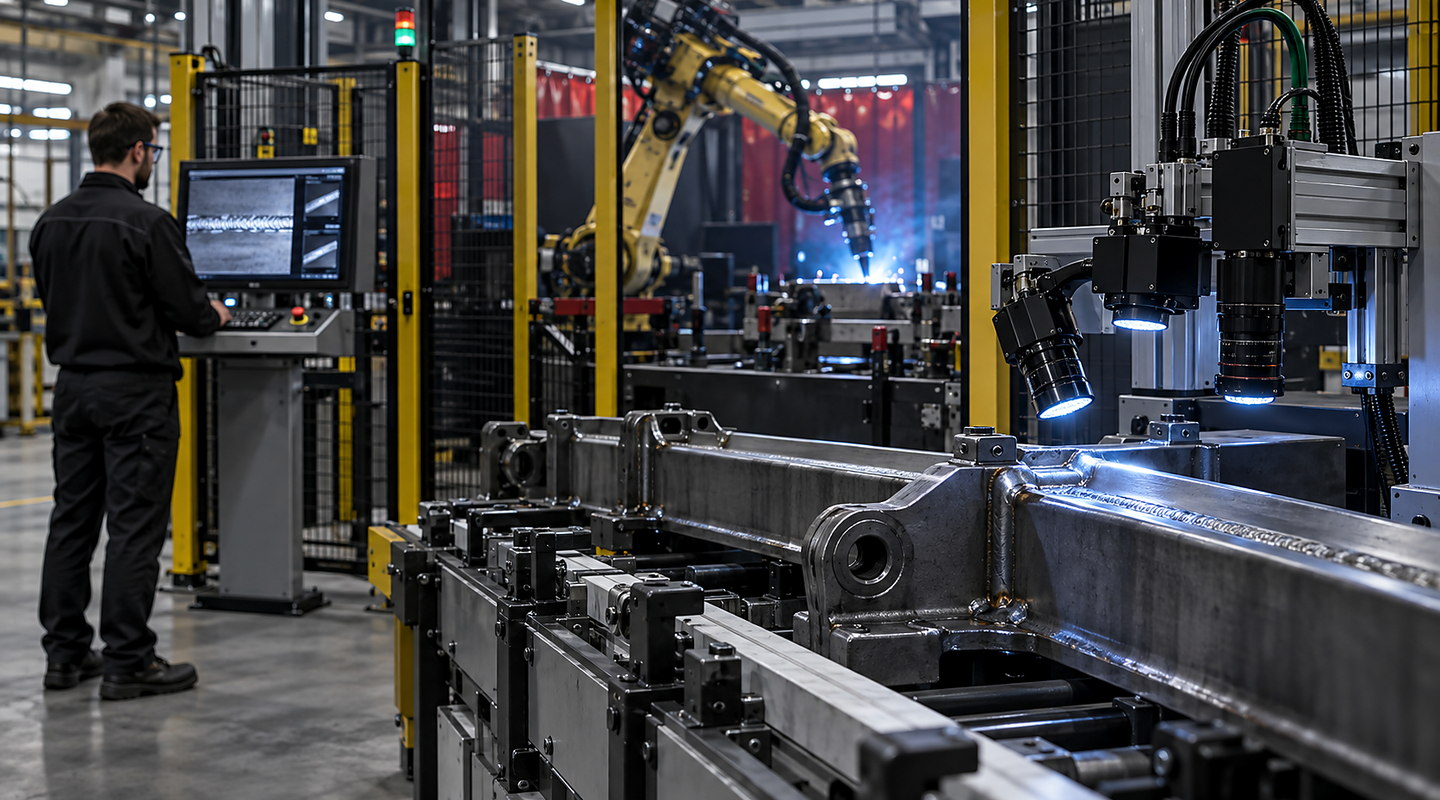
Plan visible weld feature inspection around representative good, bad and marginal samples, line presentation, lighting, reject handling and challenge criteria. Discuss an optical feasibility trial with Oxford Vision Systems. Use this guide to resolve good, bad and marginal sample range before it limits the final system.
Good, Bad and Marginal Sample Range: condition, range and effect on your process
Current condition
Record each sample identifier, expected result and the reason for that judgement, together with its production state and condition. Keep uncertain labels separate until the responsible production, quality or engineering contact confirms how they should be judged.
Realistic range
Include the normal part variants and credible difficult conditions, such as reflective, dirty or damaged examples where these occur. Record batch, supplier or upstream changes when relevant, and retain marginal examples rather than selecting only obvious good and bad parts.
Effect on the system
Keep the sample identifier, presentation, lighting and observed decision together in the trial record. Use those records to agree challenge and acceptance checks, including what remains untested or needs another sample.
Before you contact us
Five questions about good, bad and marginal sample range for your application
Who can confirm this information?Identify the person responsible for good, bad and marginal sample range in production, quality, engineering or operations.
How representative is the sample?Include age, supplier, batch, environment and upstream process state where they affect visible weld feature inspection.
What is the difficult condition?Include the slow, reflective, flexible, dirty, damaged, marginal or uncommon case that your system must still handle.
How will you judge the result?Agree the method, repetitions, acceptable range, result record and the response if the observed result falls outside the agreed range.
What else must be coordinated?Your final visible weld feature inspection scope must also account for recipe, reject and line-control interfaces, false-accept, false-reject and challenge criteria, current regulations and the conditions at your site.
Connected details
Review good, bad and marginal sample range as part of the complete system
Question 1
Visible Defect or Measurement Definition for Visible Weld-Feature Inspection
For Good, Bad and Marginal Sample Range: Optics and lighting selection, describe the current position, required outcome, acceptable limits and known exceptions for visible defect or measurement definition for visible weld-feature inspection. That lets us compare options against your real production rather than one nominal value.
Question 2
Good, Bad and Marginal Sample Range
For Good, Bad and Marginal Sample Range: Optics and lighting selection, describe the current position, required outcome, acceptable limits and known exceptions for good, bad and marginal sample range. That lets us compare options against your real production rather than one nominal value.
Question 3
Part Presentation and Production Speed
For Good, Bad and Marginal Sample Range: Optics and lighting selection, describe the current position, required outcome, acceptable limits and known exceptions for part presentation and production speed. That lets us compare options against your real production rather than one nominal value.
Question 4
Optics, Lighting and Environmental Conditions
For Good, Bad and Marginal Sample Range: Optics and lighting selection, describe the current position, required outcome, acceptable limits and known exceptions for optics, lighting and environmental conditions. That lets us compare options against your real production rather than one nominal value.
Question 5
Recipe, Reject and Line-Control Interfaces
For Good, Bad and Marginal Sample Range: Optics and lighting selection, describe the current position, required outcome, acceptable limits and known exceptions for recipe, reject and line-control interfaces. That lets us compare options against your real production rather than one nominal value.
Question 6
False-Accept, False-Reject and Challenge Criteria
For Good, Bad and Marginal Sample Range: Optics and lighting selection, describe the current position, required outcome, acceptable limits and known exceptions for false-accept, false-reject and challenge criteria. That lets us compare options against your real production rather than one nominal value.